


“Sleep is the best meditation.” – Dalai Lama
Getting quality sleep has been a timeless struggle. According to the Centers for Disease Control and Prevention (CDC), approximately 70 million adults in the United States struggle with chronic sleep problems. However, CBD recently has come on the scene as an all-natural night changer. Click Learn More to find our best options.
1. Can Help Reduce Anxiety
CBD is effective at reducing anxiety making it a useful tool for calming intrusive thoughts before sleep. CBD works on the endocannabinoid receptors in the limbic system, a group of brain regions involved in various functions such as sleep, emotion regulation, memory storage, sexual arousal, sense of smell, and learning. When the limbic system is out of whack (like your mind racing as soon as you hit the pillow), CBD activates the endocannabinoid system to bring you back to normal. By restoring balance, CBD serves as a great equalizer.
2. Promotes Deep Sleep
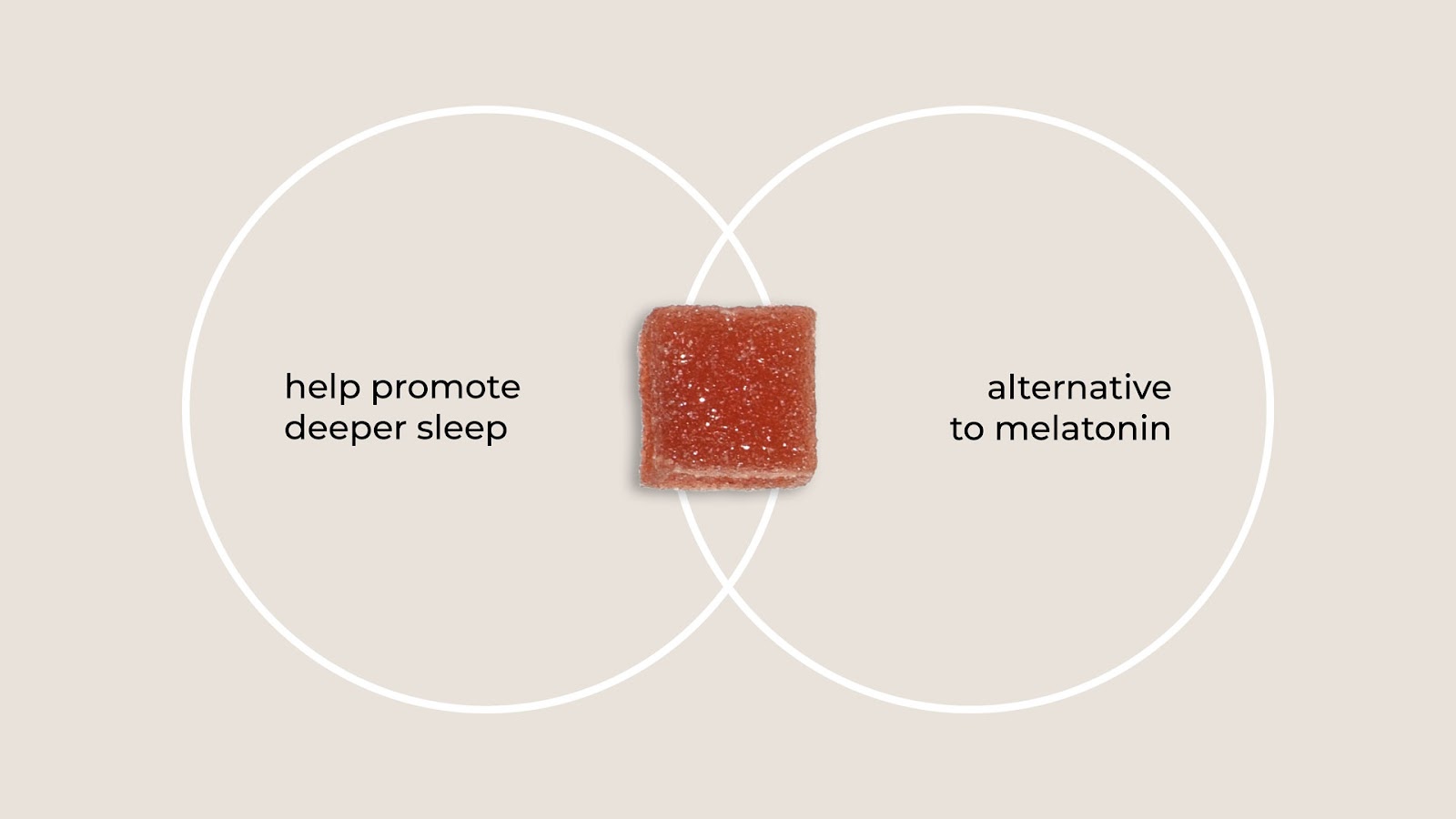
Especially at higher doses, CBD can be a potent way to get deep sleep. In a 2018 study, 67% of the participants improved their sleep scores over the course of a month while taking CBD. This is encouraging news to the natural medicine community, and more studies will continue to be published.
3. Alternative to Melatonin
Unlike melatonin, which is a hormone produced by the pineal gland in the brain, CBD is not a hormone and does not have the same potential for negative side effects or dependence. Additionally, while melatonin is only effective at promoting sleep in certain individuals, CBD may have a more broad-spectrum effect on sleep and relaxation, making it potentially useful for a wider range of people.
4. Non-Habit Forming
Unlike THC, the psychoactive compound in cannabis, CBD does not produce the “high” or intoxicating effects associated with marijuana use. As a result, CBD is not habit forming and does not have the potential for abuse or dependence. In fact, some research suggests that CBD may even have anti-addictive properties and may be helpful in the treatment of substance use disorders. While more research is needed to fully understand the effects of CBD, it is generally considered to be a safe and non-habit forming alternative to traditional medications.
5. Resets Circadian Rhythm
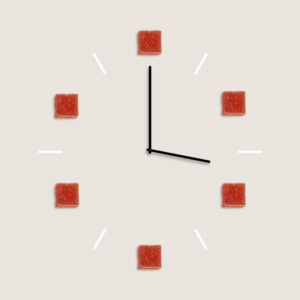
CBD may help improve sleep duration and quality by aiding the body through normal sleep stages and REM sleep without interruption. This could be particularly beneficial for shift workers, such as nurses, who may experience circadian rhythm disorders due to irregular sleep schedules. CBD’s effects on cannabinoid receptors can help regulate sleep patterns in relation to the day-night cycle. However, further research is needed to fully understand the relationship between CBD and sleep.
What To Look For In A CBD Brand

3rd Party Lab Tested
Third party lab testing is an important aspect of quality control for supplements. These tests are conducted by independent laboratories that are not affiliated with the manufacturer and are used to verify the purity, potency, and overall quality of the product. By ensuring that supplements have undergone third party lab testing, consumers can have confidence that the product meets certain standards and is safe for use.
Full-Spectrum Products
Full-spectrum hemp products contain the entire plethora of compounds found in the hemp plant. This means trace cannabinoids (e.g. CBC, THC, CBN, CBG, etc.) are also included in the product further amplfying the benefits of CBD. This is known as the Entourage Effect.
Single Origin Hemp Source
Knowing where your CBD comes from is vital – great CBD comes from great hemp. Single origin hemp refers to hemp grown in one specific location and all products are traceable to that location. This ensures that proper growing conditions, harvesting practices, and potential contaminants are all closely monitored.